Calorie Counter Log Book: A Practical Tool for Tracking Nutrition and Building Healthy Habits
Tracking your daily calorie intake doesn't have to feel like a chore. Whether you are working toward weight loss, muscle gain, or simply want a clearer picture of your eating patterns, having a structured system makes all the difference. That is exactly where the Calorie Counter Log Book steps in. This is not just another blank notebook. It is a thoughtfully designed tracking tool that combines clean layout, practical page structure, and high-quality formatting to help you stay consistent. If you have ever tried using a generic notebook or a cluttered app to log your meals, you already know how quickly motivation can fade when the process feels messy. This log book solves that problem by giving you a dedicated space for every piece of nutritional data that matters.
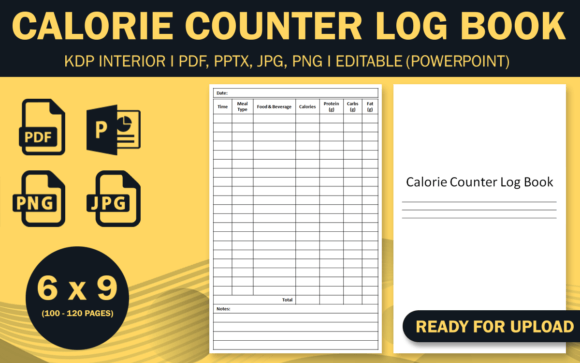
The Calorie Counter Log Book is built for adults who value both functionality and aesthetics. The design is minimal and uncluttered, with a clear visual hierarchy that guides your eye from one section to the next without distraction. The interior pages are structured with clean lines, well-spaced columns, and generous room for writing. Whether you are recording calories, protein, carbs, fats, or even water intake, each entry feels intentional. The trim size of 6 × 9 inches is ideal for slipping into a bag or keeping on a kitchen counter. It is compact enough to carry daily but large enough to write comfortably. The high-resolution interiors ensure that every line and label prints crisp and clear, whether you are using a home printer or uploading to KDP for print-on-demand.
What Makes This Log Book Different from a Standard Notebook
A lot of people start tracking calories with good intentions but fall off after a few days. Often, the issue is not motivation—it is the tool itself. A blank notebook gives you no structure. You have to decide what to write, where to write it, and how to organize the information. That overhead adds friction to an already demanding habit. The Calorie Counter Log Book removes that friction entirely. Every page is pre-formatted with fields for date, meal time, food item, portion size, calories, and macros. You simply fill in the blanks. This consistency is crucial because it turns logging into a routine rather than a puzzle.
The log book comes with two interior options: 100 pages and 120 pages. Both versions are tested and ready for KDP upload, which means no additional formatting work is needed if you are a publisher or content creator looking to sell this as a low-content book. The files include an editable PowerPoint source file, two PDF interiors, JPG, and PNG formats. That variety matters if you plan to customize the layout, add your own branding, or produce multiple versions for different audiences. The files are high resolution and print-ready, so you can jump straight into production without worrying about resolution issues or bleed settings.
Visual Design and Personality of the Log Book
From a design perspective, the Calorie Counter Log Book leans into modern typography and clean sans serif styling. The headings are bold but not heavy, and the body text is set at a size that remains readable even after extended use. White space is used intentionally to prevent the page from feeling crowded. This is especially important for a log book because users will be writing in it daily. A cramped layout would quickly become frustrating. The personality of the log book is professional, approachable, and functional. It does not try to be decorative or trendy. Instead, it focuses on clarity and ease of use. That makes it suitable for a wide range of users, from fitness beginners to nutrition coaches who want to recommend a reliable tracking tool to their clients.
The color palette is neutral by default, which works well for both men and women and across different age groups. If you are a designer or small business owner looking to create your own branded version, the editable PowerPoint file gives you full control over colors, fonts, and layout elements. You can match the log book to your existing brand identity without starting from scratch. The PNG and JPG files are useful for mockups, previews, or social media marketing if you plan to sell this product online.
Where the Calorie Counter Log Book Works Best Across Projects
This log book is versatile enough to fit into several different use cases. For individual users, it serves as a daily companion for meal tracking and goal setting. For fitness coaches and nutritionists, it can be given to clients as part of a program. For publishers and content creators, it is a ready-to-sell product that requires minimal setup. The KDP-ready PDF files mean you can upload directly to Amazon and start selling within hours. The 6 × 9 trim size is one of the most popular formats on KDP, so buyers are already accustomed to it. If you are a blogger or social media creator in the health and wellness space, offering a printable version of this log book as a freebie or paid product aligns perfectly with your audience's needs.
The log book also works well in print-on-demand workflows beyond KDP. Because the interiors have no bleed and the files are high resolution, you can upload to other platforms like IngramSpark, Etsy Print on Demand, or Gumroad. The editable source file gives you flexibility to tweak the design for different markets. For example, you might add metric measurements, include space for water tracking, or change the language for international audiences. That is the kind of adaptability that saves time and expands your product line without requiring advanced design skills.
How Design Influences Readability, Consistency, and User Engagement
One of the most overlooked aspects of a log book is how its design affects long-term engagement. A poorly designed layout can make you feel like you are doing paperwork. A well-designed one feels like a natural part of your routine. The Calorie Counter Log Book uses a consistent grid system across every page. That means once you learn where to write on the first page, every subsequent page feels familiar. This consistency reduces cognitive load and helps the habit stick. From a visual hierarchy standpoint, the date field is placed at the top, followed by meal sections, and then the summary area for daily totals. This flow matches the natural sequence of eating throughout the day, so logging feels intuitive rather than forced.
Readability is also enhanced by the choice of typography. The sans serif style used in the log book is clean and legible at small sizes, which matters when you are writing in a hurry or checking back on previous entries. Contrast between headings and data fields is clear without being harsh. The thin lines used for columns and rows are subtle enough to stay out of the way but visible enough to keep you organized. If you are a publisher evaluating this for your own product line, these design decisions directly impact customer satisfaction and reviews. Buyers notice when a log book is easy to use. They also notice when it feels cheap or confusing. This log book avoids both pitfalls.
Practical Guidance for Choosing and Using This Log Book
If you are considering the Calorie Counter Log Book for personal use, start by deciding how many pages you need. The 100-page version covers roughly three months of daily tracking. The 120-page version gives you a little extra room for notes or longer tracking periods. Think about whether you want a single log book for the year or multiple shorter books. If you are a publisher, offering both page counts gives your customers a choice and increases the likelihood of a sale. Some buyers prefer a slim book they can finish quickly, while others want more pages per purchase. Having both options is a small overhead with a big payoff.
When it comes to branding or customizing the log book, the editable PowerPoint file is your best starting point. Open it, adjust the colors to match your brand palette, and swap in your own fonts if needed. Keep the layout clean. Resist the urge to add too many decorative elements. A log book is a functional tool, and users appreciate simplicity. If you are a marketer or small business owner, use the PNG files for product mockups on your website or social media. Show potential buyers exactly what the interior looks like. Transparency around the product design builds trust and reduces returns.
Commercial licensing is straightforward. Because you are working with editable files that you customize and sell, you retain control over the final product. Ensure that any fonts or graphics you add are also licensed for commercial use. The base files provided with the Calorie Counter Log Book are ready for KDP and other print platforms, so you can start selling without worrying about licensing restrictions. As always, read the specific terms that come with your download to confirm usage rights.
Final Thoughts on Using a Log Book for Calorie Tracking
There is a reason written tracking remains popular even in an era of apps and wearables. Writing things down by hand creates a stronger connection to the information. You remember what you ate. You notice patterns. You become more intentional. A log book like the Calorie Counter Log Book supports this process by removing the friction of unstructured note-taking. It gives you a clear format, consistent design, and enough flexibility to adapt to your personal goals. Whether you are using it for yourself, offering it to clients, or selling it as a product, the combination of thoughtful layout and practical page count makes it a reliable tool. And because the files are editable and print-ready, you can focus on using or selling the log book instead of fixing formatting issues.
If you are a designer, publisher, or entrepreneur looking to expand your product offerings in the health and wellness niche, this log book is a strong foundation. The 6 × 9 trim size, high-resolution interiors, and KDP-tested files mean you can go from download to listing in a matter of hours. The design is neutral enough to appeal to a broad audience but professional enough to stand out among similar products. And for anyone simply trying to eat better and track their progress, the structure of this log book turns a daily task into a sustainable habit.