Bordered Stationery Printable Paper 178: A Practical Design Asset
If you've spent any time building printable products for low-content publishing, digital planning, or craft markets, you know that the difference between a product that sells and one that sits often comes down to presentation. The Bordered Stationery Printable Paper 178 set offers a clean, versatile foundation that works across multiple creative and commercial contexts. This isn't just another paper template—it's a deliberately designed toolkit that gives you structure without stifling your creative direction.
What Makes This Paper Set Distinct
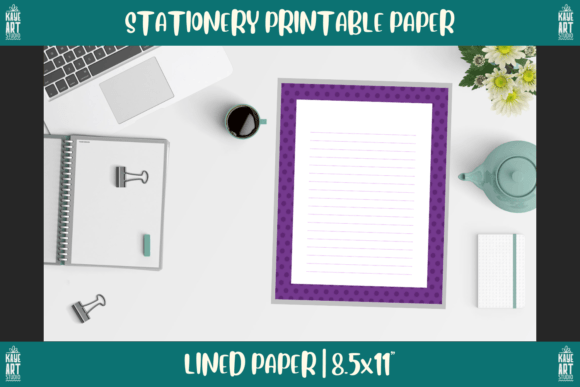
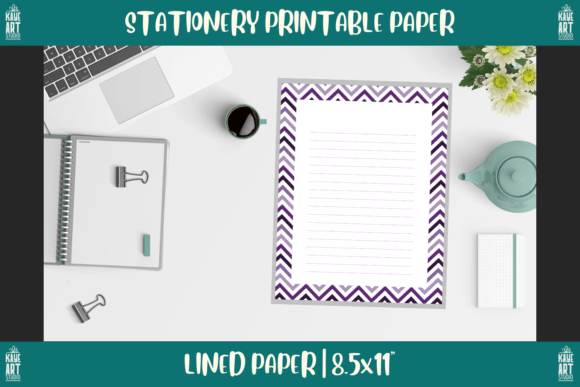
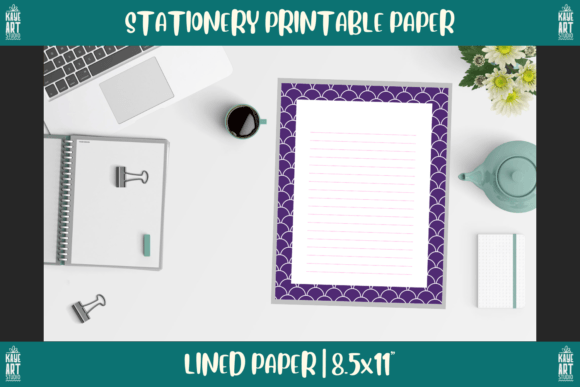
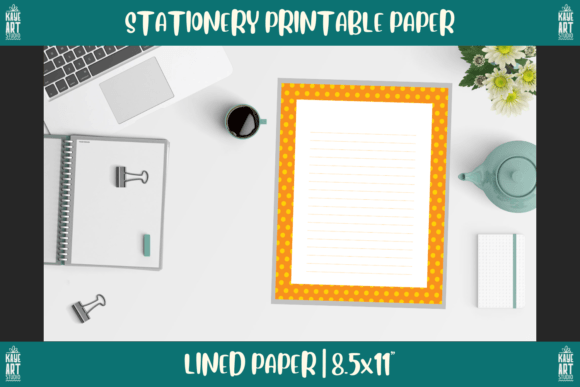
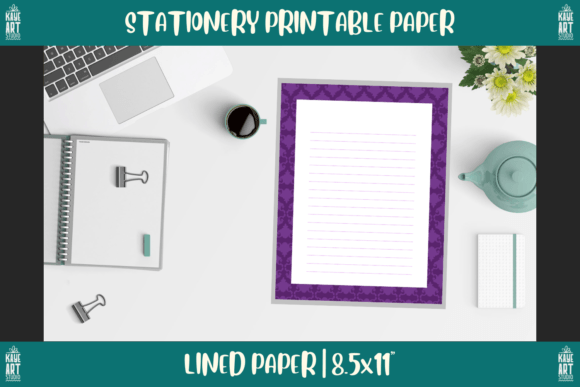
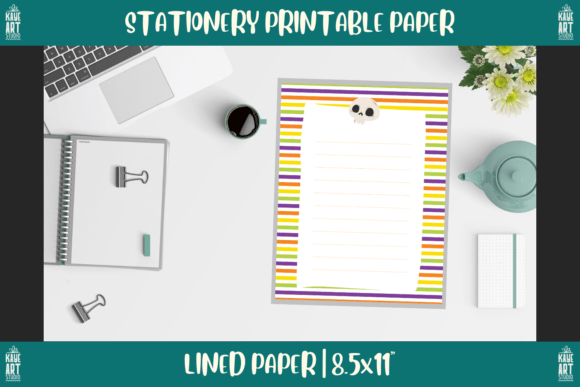
The set includes one unlined bordered paper, one graph paper, and two lined paper variations. All files come in both PNG and PDF formats at 300 DPI, sized to a standard 8.5×11 inch trim. The bordered design provides a subtle frame that adds polish to any printed page, whether you're producing journal inserts, planner pages, or stationery sets for a KDP business.
What stands out visually is the restraint. The border isn't overly decorative or distracting. It's a clean stroke that defines the page's perimeter, giving the content room to breathe while maintaining a professional, finished look. This makes the set suitable for both personal journaling and commercial product lines where consistency matters.
Real Applications Across Creative and Commercial Work
Let's talk about where this paper set actually earns its keep. If you're running a no-content or low-content KDP business, the PNG format gives you immediate flexibility. You can drop these pages directly into Canva, Photoshop, or Affinity Publisher and add your own cover designs, headers, or branding elements. The PDF versions are ready for print-on-demand uploads with minimal fuss.
For digital planners and stationery designers, the 300 DPI resolution means clean rendering on screen and crisp output when users print at home. The lined paper variants are wide enough for comfortable handwriting but narrow enough to look structured on the page. The graph paper is precise without feeling cramped—ideal for bullet journal layouts, habit trackers, or project planning spreads.
I've seen creators use this type of bordered stationery to build entire product families: undated planners, gratitude journals, recipe books, and even wedding guest books. The key is that the design doesn't fight your content. It supports it.
How the Design Influences User Experience and Brand Perception
In typography and layout work, we talk about visual hierarchy—the way elements guide the reader's eye across a page. The bordered format here establishes a clear reading frame. Users instinctively stay within that border, which means your headers, body text, and any decorative elements all operate within a defined space. This creates consistency across pages, which is critical for branded products like planners or journals.
From a brand identity perspective, the clean border communicates reliability and attention to detail. It doesn't scream for attention—it quietly suggests that the person who designed this page cared about the user's experience. That subtle professionalism builds trust with customers, especially in markets like KDP where buyers are evaluating dozens of similar products before choosing one.
Readability also benefits. With a border framing the page, users don't feel overwhelmed by content sprawling to the edges. There's a natural pause at the margins, which reduces cognitive load. This is especially important in lined paper for note-taking or journaling, where the user's own handwriting will fill the space. The border gives their writing a finished context, even before they've written a word.
Choosing Paper Sets for Your Specific Projects
When evaluating a paper set like Bordered Stationery Printable Paper 178, think beyond just the immediate product. Consider the range of projects you're working on now and what you might want to build in the next six months.
If you're producing a line of undated planners, the lined and graph variants give you enough variety to create weekly spreads, monthly overviews, and note pages without needing multiple suppliers. For stationery sets, the unlined bordered paper works beautifully as letterhead or decorative insert sheets. The graph paper can double as a dot-grid alternative for users who prefer structured layouts.
Testing font pairings with this paper is straightforward. Because the border is a neutral design element, you can pair it with nearly any typeface. A serif font for headers gives a classic, trustworthy feel—think Garamond or Playfair Display. A sans serif like Inter or Montserrat keeps things modern and clean for digital-first audiences. If you're targeting a more casual or creative audience, a script font or handwritten font for titles adds warmth and personality against the structured border.
I've seen designers use a bold display font for cover titles and then switch to a readable premium font for interior pages. The bordered paper provides a consistent backdrop that lets typography choices stand out without clashing.
Practical Guidance for Getting the Most Out of This Set
Start by opening the PDF versions in your design software and examining how the border reproduces at different zoom levels. At 300 DPI, you should see clean, anti-aliased edges. If you're uploading to KDP, make sure your trim settings match the 8.5×11 inch format and that the border doesn't fall into a bleed zone unless you've accounted for it.
For web design and social media graphics, the PNG files are immediately usable. You can incorporate them as background layers in Instagram posts, Pinterest pins, or blog lead images. The neutral border adds a printable aesthetic that performs well in lifestyle and planner niche content.
If you're working on editorial design or packaging design projects, consider using the unlined bordered paper as a base for product inserts, thank-you cards, or instruction sheets. The consistent sizing makes batch production efficient, and the design language is neutral enough to work across brands.
When it comes to commercial font licensing, this paper set gives you the freedom to focus on your content without worrying about restrictive usage terms. You can build products, sell them, and scale your catalog. That's valuable for anyone running a commercial KDP business where margins depend on efficient production.
Why This Set Works for Both Digital and Print
One of the overlooked strengths of this bordered stationery is its dual-purpose nature. The 300 DPI PNG files are high-resolution enough for professional print work, but the PNG format also means transparent backgrounds where you need them—great for layering in digital planners or compositing in photo editing software.
The PDF versions are ready to upload with no additional processing. This saves time when you're producing multiple interior files for different book formats. If you've ever had to convert between formats manually, you know how much of a difference this makes in your workflow.
For crafters and hobbyists, the set opens up possibilities beyond traditional stationery. Use the graph paper for cross-stitch patterns, embroidery layouts, or DIY project trackers. The lined paper works for handwriting practice sheets, classroom materials, or bullet journal collections. The unlined bordered paper can become a certificate template, a menu card, or a simple art print.
Practical Recommendations for Long-Term Use
If you're building a product catalog on KDP or Etsy, start with a single interior format and test how customers respond. The bordered stationery design is flexible enough to support multiple niches—planners, journals, notebooks, and even coloring books if you adapt the layout slightly. Once you've validated a format, scale by creating variations: different cover styles, themed editions, or bundled sets.
For brand identity work, use the bordered paper as a consistent element across your product line. Customers who buy one journal and see the same design language in another product will recognize your brand. That familiarity drives repeat purchases and word-of-mouth recommendations.
Consider also how this set fits into your modern typography and typeface choices. A clean sans serif font for body text keeps the page feeling open and accessible. If you're designing for a luxury or premium audience, a refined serif font for headers adds sophistication. The bordered paper doesn't compete with your typography—it frames it, which is exactly what a good design asset should do.
In the end, Bordered Stationery Printable Paper 178 is a tool that earns its place in your workflow by being reliable, adaptable, and visually neutral in the best sense. It doesn't try to be the star of the show. It makes everything else you put on the page look better.