The 12 Column Ledger Book: Streamlining Financial Records in a Modern Workflow
Keeping accurate financial records remains a cornerstone of responsible business management and personal organization. While digital spreadsheets and accounting software dominate the conversation, many professionals and creators are rediscovering the advantages of structured, physical record keeping. The 12 column ledger book offers a specific format that bridges the gap between detailed data entry and at-a-glance clarity. This format is particularly relevant today because it combines the reliability of a paper system with the column structure needed for modern, multi-line financial tracking.
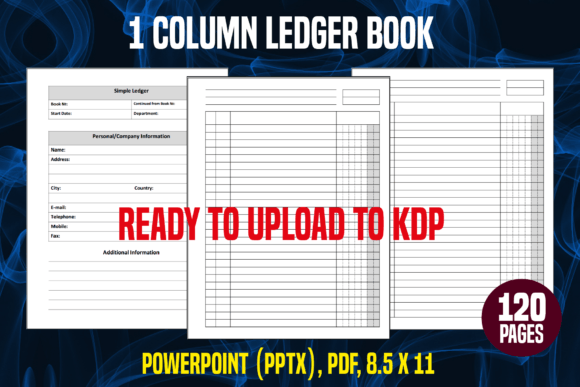
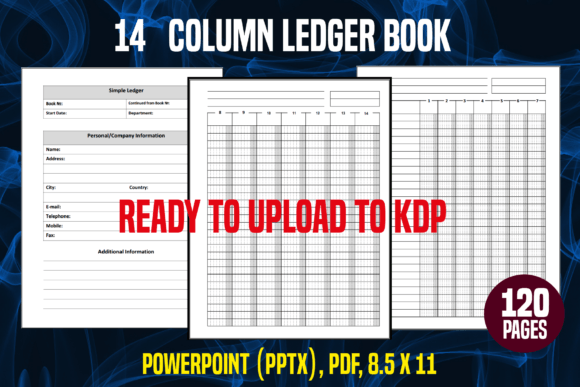
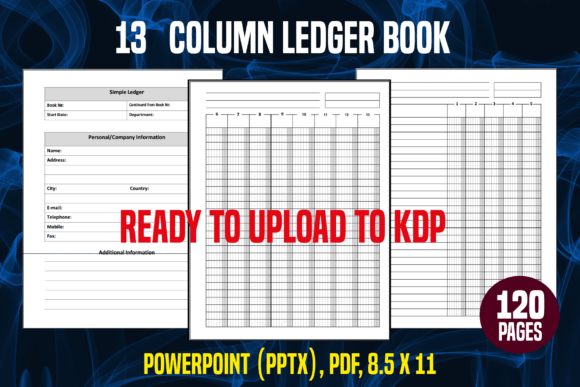
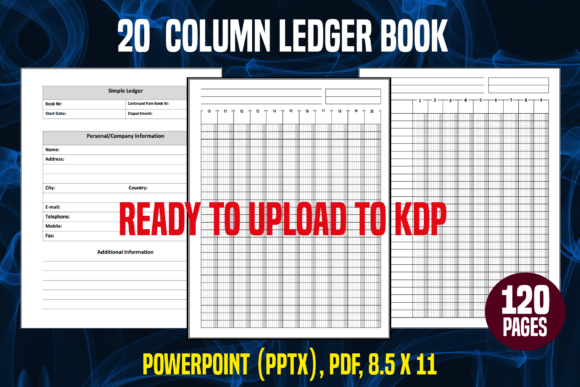
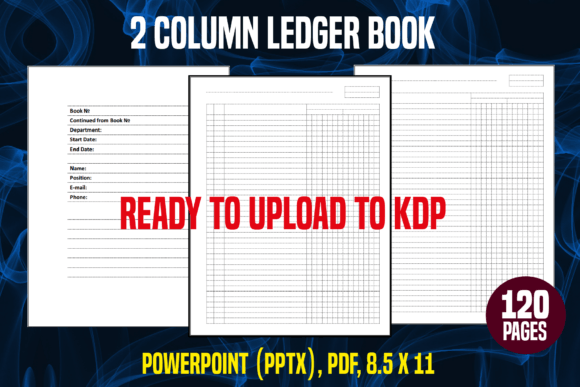
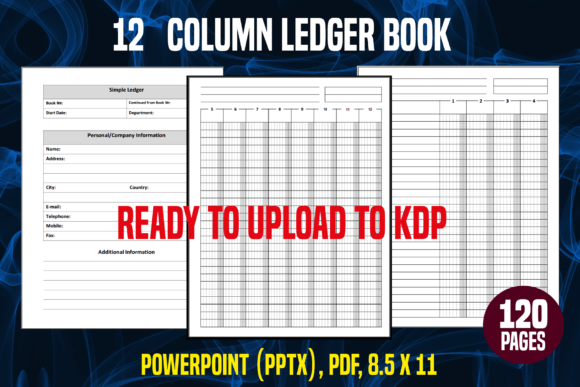
The rise of print-on-demand platforms like Amazon KDP has made it straightforward to produce and distribute specialized notebooks and ledgers that meet precise user needs. For those who value hands-on control over their books, a well-designed ledger interior matters. A tested, KDP-ready file, complete with an editable PowerPoint source and a high-resolution PDF, ensures that the final printed product is both professional and functional. A 12 column ledger book with 120 pages at a trim size of 8.5 x 11 inches provides ample space for detailed entries without feeling cumbersome on a desk.
Why the 12 Column Format Matters in a Digital-First Era
It might seem counterintuitive to turn to paper when cloud-based tools are ubiquitous. Yet many people find that writing entries by hand improves retention and reduces errors. The 12 column layout is particularly useful for tracking multiple streams of income, expenses, or account categories in a single view. Instead of toggling between tabs or scrolling through rows, you see a full accounting period at a glance.
Small business owners, freelancers, and property managers often need to track categories such as rent, utilities, supplies, payroll, and professional fees within one document. A standard general ledger with only a few columns can feel restrictive, while a full 12 column book gives you the flexibility to allocate each row across a dozen distinct categories. This structure supports both periodic totals and running balances, making monthly reconciliation more straightforward.
The Role of Print-Ready Interiors in Professional Ledger Books
For creators and publishers on KDP, the quality of the interior file directly affects user satisfaction. A poorly formatted ledger with misaligned columns or low resolution can undermine trust. A file that has been tested for KDP ensures that the final printed product meets platform specifications. A ZIP containing both an editable PowerPoint source and a ready-to-upload PDF offers flexibility. You can tweak the layout, adjust column widths, or rebrand the cover without starting from scratch.
The 120-page count strikes a practical balance. It is substantial enough to cover several months of detailed entries without becoming too heavy or wasteful. Combined with the 8.5 x 11 trim size, the book provides room for full-width category headers and clear numerical entries, reducing eye strain during long sessions of data entry.
Evolving Habits in Financial Organization
Over the past decade, many professionals have cycled through digital subscriptions and apps, only to return to paper for specific tasks. The 12 column ledger book occupies a unique position in this shift. It does not replace accounting software but complements it. You can use it as a daily entry log, a backup record, or a reconciliation tool. Its evolution from a simple accounting form to a customizable product reflects broader changes in how people work: hybrid workflows that blend analog and digital tools.
Entrepreneurs today are more likely to keep a physical ledger for cash transactions, client payments, or project expenses that do not fit neatly into pre-set software categories. By having a dedicated column for each category, you avoid the friction of renaming fields or adjusting templates. This type of book is also useful for educators teaching bookkeeping basics, as it mirrors the columnar pad format used in many accounting courses.
Practical Applications Across Different Audiences
- Freelancers and creatives can track project-based income, material costs, and recurring subscriptions across separate columns, then total them at the end of each month.
- Real estate investors often manage multiple properties. A 12 column book lets them allocate repairs, taxes, mortgage payments, and rental income for each unit in a single row.
- Nonprofit organizations use columnar ledgers to separate grant funds, donations, operational costs, and program expenses without needing complex software.
- Hobbyists and budgeters appreciate the clarity of a fixed grid for tracking savings goals, debt payments, and daily spending categories.
Each of these scenarios benefits from the high-resolution interior. When columns are crisp and lines are consistent, you avoid the confusion that comes from faint or misprinted guides. The editable source file also allows you to add your own headers or adjust column counts if the standard layout does not perfectly fit your needs.
Balancing Digital Efficiency with Tangible Reliability
Many professionals have experienced the frustration of a corrupted spreadsheet or a software subscription ending at a critical moment. A printed book offers zero dependency on batteries, internet connections, or platform updates. The 12 column ledger book does not require a learning curve. You can start entering data immediately, using any pen or pencil. This immediacy is valuable for quick notations during client meetings, inventory checks, or on-site inspections.
At the same time, the editable PowerPoint file means you are not locked into a single format. If you need to add more rows for a particular month or adjust the column width for longer descriptions, you can do so before printing. This hybrid approach appeals to users who want the tactile experience of paper but also appreciate the ability to customize their tools.
Quality Considerations for Print-on-Demand Production
For anyone creating a ledger book for KDP, the interior file must pass Amazon’s review process. A tested ZIP file saves time and reduces the risk of rejection. The PDF interior should be high resolution, with properly set margins and bleed if required. The PPTX source file offers an additional advantage: you can use PowerPoint’s familiar tools to modify colors, add page numbers, or include a legend for column categories.
The 120-page count also influences the spine thickness and overall durability. When bound properly, the pages lay flat enough for comfortable writing. The 8.5 x 11 trim size remains a standard choice because it fits most briefcases and shelves while providing a generous writing area. These details matter to end users who expect a product that feels substantial and functions reliably over months of daily use.
Getting the Most Out of Your Ledger Book
Simply owning a well-printed ledger does not guarantee better financial organization. Success comes from consistent use and a clear system. Assign each column a permanent category before you start writing. Use the first few pages to create an index of columns and their abbreviations. Consider penciling in column headers lightly so you can adjust them as your needs evolve.
Review your entries weekly rather than monthly. Regular short reviews catch errors early and reduce the burden of end-of-period reconciliation. Use the final columns for running totals or notes that explain unusual entries. Over time, the book becomes a reliable audit trail and a reference for annual planning.
If you are publishing this book, include a brief instruction page or example entry in the front matter. This small addition helps new users adopt best practices quickly and reduces the likelihood of abandoned ledgers. An editable PPTX allows you to insert such pages without redesigning the entire interior.
Adapting the Format for Future Needs
No single ledger format works for every scenario. The 12 column book, however, offers enough flexibility to cover most small business and personal tracking requirements. If you later find that you need more columns, you can combine two columns or use a separate book for subcategories. The high-resolution PDF ensures that even if you scan pages for digital backup, the numbers remain legible.
As more people embrace intentional, low-tech tools for focused work, the demand for purpose-built paper products continues. The 12 column ledger book, especially one that is professionally prepared and tested for KDP, serves a genuine need for clarity, control, and durability. Whether you are an entrepreneur managing cash flow, a freelancer tracking project expenses, or a publisher looking for a reliable interior file, this format offers a proven solution that aligns with both contemporary workflows and time-tested accounting practices.