5 Minute Gratitude Journal
The hardest part of starting a mindfulness practice isn’t finding the time—it’s knowing where to begin. A blank notebook, while full of potential, can feel surprisingly intimidating when you’re staring at an empty page. The 5 Minute Gratitude Journal removes that friction entirely. It hands you a clear, structured path forward, wrapped in a layout that feels both professional and warmly personal. For anyone looking to build a consistent habit without overcomplicating the process, this journal meets you exactly where you are.
Why a Structured Layout Builds a Lasting Habit
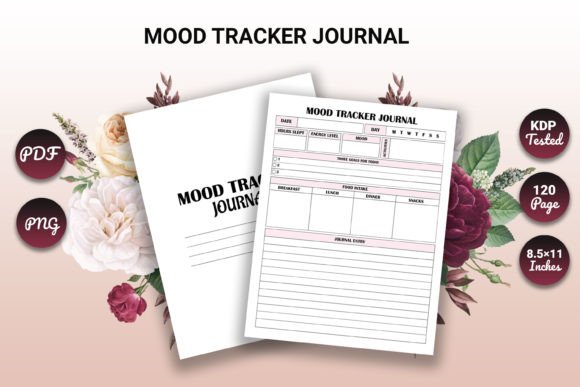
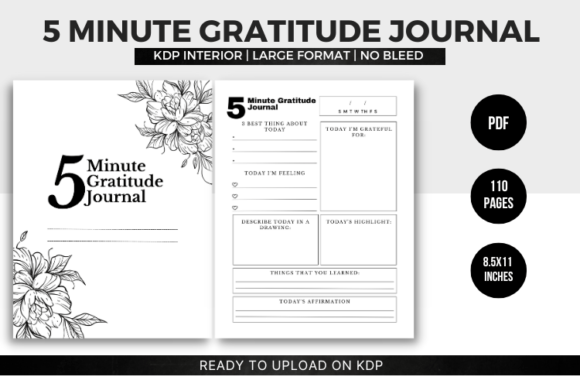
Habits form when the barrier to entry is low. If a tool feels cramped, confusing, or visually exhausting, you’re far less likely to stick with it beyond the first week. The 8.5x11 inch format of this journal is a deliberate choice. It provides generous, uncluttered space to write freely without feeling boxed in. Every journal entry gets room to breathe. With 110 pages, you have a solid runway to build consistency over several months, not just a fleeting 30-day experiment.
The visual hierarchy matters here too. Your eye is guided naturally toward the prompt, and the simple, clean lines create a calm canvas. This isn’t about flashy graphics or overwhelming ornamentation. It’s about reducing cognitive load so your brain can focus on the actual task: reflecting and feeling grateful. That is a core principle of modern typography and editorial design, even in a simple workbook. When the design disappears, the content shines.
More Than a PDF: A Strategic Asset for Creators and Marketers
For anyone building a business or a personal brand, this journal is far more versatile than it first appears. The fact that it comes in a convenient PDF format is a major advantage. You can print it at home on standard paper for personal use, or treat it as a high-value digital asset. Small business owners, coaches, and marketers can offer it as a client gift or a lead magnet that reinforces their brand identity. Bloggers can build an entire email course around the prompts.
If you are publishing on KDP, this interior is practically ready to upload. The margins, spacing, and structure are already in place. For a designer or publisher, this saves hours of formatting headaches. It’s a ready-to-use design asset that allows you to focus on branding, marketing, and distribution rather than wrestling with text boxes and page numbers. The personality of the journal is approachable and warm, making it easy to align with a wide range of professional identities, from wellness coaching to creative entrepreneurship.
The Design Psychology Behind the Prompts
Effective journal prompts do more than just ask questions—they create an environment for reflection. And the choice of typeface is central to that experience. Imagine the difference between reading a prompt set in a rigid, academic serif font versus one set in a warm, approachable sans serif or a soft handwritten font. The feeling is completely different.
The 5 Minute Gratitude Journal leans into warmth and accessibility. The instructional text likely uses a clean sans serif font, which communicates clarity, reliability, and professionalism. The titles or mantras, on the other hand, probably employ a handwritten font or a soft script font to evoke a sense of personal intimacy. This font pairing creates a gentle contrast that is both visually engaging and emotionally resonant. A display font might be used sparingly for key headings to add subtle emphasis without breaking the calm mood.
This is a great example of how font personality affects brand perception. A wellness tool cannot feel cold or corporate. It needs to feel human. The typography choices here contribute directly to that goal. For anyone designing similar products, studying how this journal balances structure with warmth is a valuable lesson in using design assets to build trust.
Applying These Principles to Your Own Brand Identity
Whether you are a graphic designer, a blogger, or a small business owner, the decisions embedded in this journal offer practical takeaways for your own projects. Here are a few ways to think about typeface and layout when building your own tools or brand materials.
- Match Your Typeface to Your Message. A gratitude journal needs a font that feels grounded and sincere. If you are branding a product or service, think about the emotional response you want to create. A display font for an energetic brand makes sense. For something reflective, a balanced serif font or a humanist sans serif font is a better fit.
- Prioritize Readability Above All Else. A beautiful font that is difficult to read fails its primary purpose. The body text in any journal, report, or website must be legible at small sizes. The 5 Minute Gratitude Journal succeeds because it prioritizes clarity. The generous spacing and clear letterforms ensure that reading the prompts takes no effort.
- Think About the Full Ecosystem. How does your chosen typeface look across different mediums? Does it translate well to web design? Can you pull a quote from your content and use it as text over an image for social media graphics? A versatile commercial font license allows you to use your chosen typeface across logo design, packaging design, and digital platforms without legal headaches. Always verify that your creative font is properly licensed for its intended use.
Real-World Applications Across Creative Fields
This journal is a tool that different audiences can leverage in unique ways. Here is how various professionals might integrate it into their workflow.
- For Bloggers and Content Creators: Use the journal as a content upgrade for your newsletter. Extract individual prompts and turn them into quote cards for social media. A simple script font or handwritten font as an overlay on a flat lay photo creates an authentic, aspirational aesthetic. The journal itself becomes a visual prop that reinforces your personal brand.
- For Entrepreneurs and Small Business Owners: Give the PDF to your team as a wellness initiative. Offer it to new clients as a welcome gift. The professional finish of the layout reflects well on your business. Because the design is clean and generic enough to be branded, you can add your logo and color palette to create a custom touchpoint that builds deeper client relationships.
- For Designers and Publishers: Study the editorial design choices. Look at how the margins frame the content. Notice the rhythm established by repeating prompts across 110 pages. This is a great case study in creating a consistent user experience. If you are designing a similar product, consider how a premium font elevates the perceived value. A unique typeface can transform a simple workbook into a sought-after brand asset.
A Foundation for Consistency and Growth
The 5 Minute Gratitude Journal is more than just a collection of prompts. It is a carefully considered product that respects both the user’s time and their emotional state. By removing friction through a generous layout and thoughtful typography, it makes a daily practice feel attainable. For creators and business owners, it also serves as a blueprint for how to build professional, scalable tools that resonate with a real audience. Whether you use it personally to shift your mindset or as a strategic piece of content for your brand, the value is immediate and lasting.