Fashion Sketchbook Figure Template: A Practical Guide for Aspiring and Professional Designers
Every fashion design begins with a vision, but translating that vision onto paper requires more than just creativity. It demands precision, proportion, and a reliable method to capture your ideas quickly. That is where a Fashion Sketchbook Figure Template becomes an essential tool. Whether you are a student building your first portfolio, an independent designer launching a collection, or an experienced creator streamlining your workflow, having a structured template system can transform the way you work. This article explores what a fashion sketchbook figure template is, the real-world challenges it addresses, and how you can put it to immediate use for better results.
What Is a Fashion Sketchbook Figure Template?
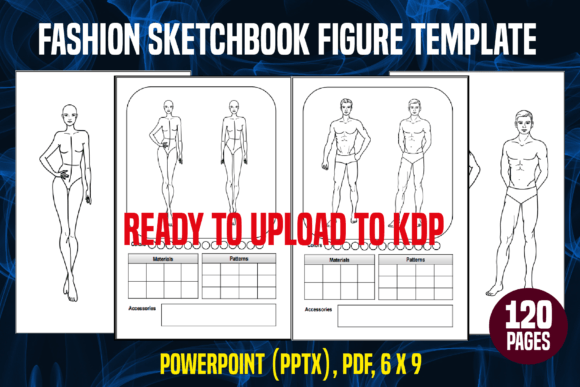
A Fashion Sketchbook Figure Template is a pre-drawn outline of the human figure, specifically proportioned for fashion design. Unlike standard art mannequins, these templates follow the elongated, stylized proportions used in the fashion industry, typically with longer legs, a smaller head, and a streamlined torso. Designers use these figures as the foundation for sketching garments, allowing them to focus on fabric draping, color blocking, and silhouette experimentation rather than redrawing the body each time.
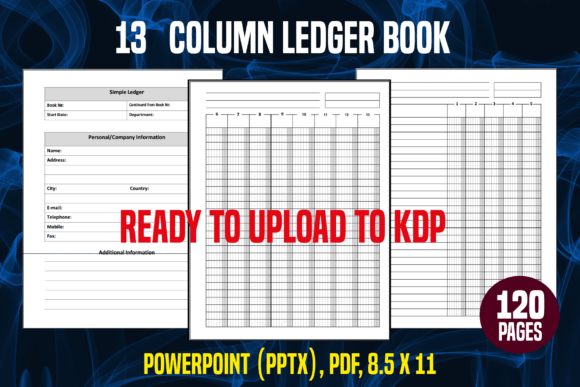
The resource you are considering—available as an editable PowerPoint PPTX file and a print-ready PDF—offers 120 pages of high-resolution templates at a trim size of 8.5 x 11 inches. This format is tested and ready for upload to KDP or for direct printing, making it a practical asset for both digital and physical workflows.
Common Challenges Fashion Designers Face
Even experienced designers encounter obstacles when sketching. Recognizing these pain points helps clarify why a dedicated template system matters.
Inconsistent Proportions
One of the most frequent frustrations is maintaining consistent body proportions across a series of sketches. When you draw freehand, the figure might look elegant on one page and stubby on the next. This inconsistency makes it difficult for clients, manufacturers, or instructors to assess the true fit and flow of your garment designs.
Time Pressure
Fashion is a fast-moving industry. Whether you are preparing for a deadline, a presentation, or a production run, you cannot afford to spend thirty minutes redrawing a figure for every single design. The repetitive task of sketching the same base figure over and over eats into the time you could spend refining details, selecting fabrics, or planning a collection.
Limited Drawing Confidence
Not every talented designer is a confident illustrator. Many professionals have brilliant ideas for silhouettes, construction, and color but struggle to execute them on paper. This gap between vision and execution can hold back portfolios, pitches, and even career advancement.
Portfolio and Production Readiness
If you are publishing a sketchbook for KDP or printing a physical portfolio, every page needs to look polished. Hand-drawn figures that are slightly off in proportion can undermine the professionalism of an otherwise strong design.
How a Fashion Sketchbook Figure Template Solves These Problems
A well-designed template addresses each of these challenges directly. By providing a consistent, proportionate, and editable base figure, you remove the variation that comes with freehand drawing. Here is how the Fashion Sketchbook Figure Template helps in practical terms.
Consistency Across Your Entire Collection
When every page starts with the same figure, your designs become immediately comparable. A jacket that looks oversized on one figure and fitted on another is no longer a risk. Instead, you can evaluate how each garment truly interacts with the same body shape, making your design decisions more accurate and coherent.
Faster Iteration and Experimentation
With a template, you can sketch ten variations of a sleeve or neckline in the time it would take to draw one full figure from scratch. This speed encourages exploration. You can try bolder proportions, unusual draping, or layered looks without worrying about redoing the foundation. The 120-page count in this particular resource means you have ample room to explore multiple ideas within a single notebook.
Accessible for All Skill Levels
Beginners gain an immediate sense of industry-standard proportions. Instead of guessing how long the legs should be or where the waist falls, you work from a professionally calibrated base. Over time, this repeated exposure trains your eye, and you may find your freehand drawing improving as a direct result of using templates.
Streamlined Portfolio and Publishing Work
For those preparing a KDP upload or a printed book, the PDF interior is ready to go. The high-resolution pages ensure clean lines when printed, and the trim size (8.5 x 11) fits standard binders and printers. If you are creating a sketchbook for sale or as a personal portfolio, this eliminates the need to manually format each page.
Practical Applications and Real-World Outcomes
The true value of a template resource becomes clear when you see how different users apply it to their own goals. Let us look at several scenarios where a Fashion Sketchbook Figure Template makes a measurable difference.
For the Fashion Student
Imagine you are preparing a final collection review. You have twelve looks to present, each with detailed fabric notes and color palettes. Using the editable PPTX file, you can trace or print as many figures as you need, then spend your creative energy on the garments themselves. The outcome is a cohesive, professional presentation that your instructors can evaluate on the strength of the design, not the inconsistency of the figure drawing.
For the Independent Designer Launching a Line
When pitching to a small manufacturer or a boutique buyer, first impressions matter. A sketchbook with clean, consistent figures communicates that you understand proportion and fit. By using the PDF interior ready for print, you can produce a physical book that feels like a finished product, giving your brand instant credibility.
For the Digital Creator or Pattern Maker
If you work primarily in digital tools, the PowerPoint file allows you to overlay sketches, import fabric scans, or adjust poses. You can duplicate slides for quick variations, add notes for construction details, and export pages for technical packs. The flexibility of an editable source file means you are not locked into a single format.
For the Hobbyist or Aspiring Designer
Perhaps you are exploring fashion design as a creative outlet. The template removes the intimidation of drawing the figure, so you can jump straight into the fun part—designing clothes. Over 120 pages, you can develop your personal style, try different eras of fashion, and build a collection purely for your own satisfaction or an online store.
Choosing the Right Approach for Your Needs
Not everyone will use this template the same way, and that flexibility is part of its strength. Here are considerations for different user profiles.
Print-First Users
If you prefer to sketch by hand, print the PDF pages on quality paper. Keep a stack of templates in your workspace so you can grab one whenever inspiration strikes. The 8.5 x 11 trim size is spacious enough for full garment sketches while still being portable in a standard folder or bag.
Digital-First Users
Open the PPTX file on your tablet or computer. Use a stylus to draw directly onto the figures, or import them into programs like Procreate, Illustrator, or Canva. The editable format means you can adjust opacity, layer multiple figures for group shots, or resize elements for different page layouts.
Hybrid Workflow
Print a batch of templates for initial brainstorming, then scan your favorite sketches back into the digital file for refinement. This gives you the tactile freedom of paper with the editing power of digital tools.
Recommendations for Getting the Most Out of Your Template
To maximize the usefulness of your Fashion Sketchbook Figure Template, consider the following practices.
- Start with simple silhouettes. Use the first few pages to sketch basic shapes like A-line dresses, straight pants, and fitted tops. This helps you get comfortable with the figure proportions before moving to complex designs.
- Use tracing paper overlay. If you want to preserve the original printed templates, work on tracing paper or a light layer above the figure. This keeps your base intact for reuse.
- Create a master set. Print one set of templates and keep them as a reference for proportion. Compare your freehand sketches against them to track your improvement over time.
- Experiment with poses. While the template provides a standard standing figure, you can lightly adjust the arms or legs by drawing over the base. This adds variety to your collection without losing consistency.
- Combine with fabric swatches. Tape or glue small fabric samples next to your sketches to create a tactile design board that bridges drawing and real materials.
Useful Considerations Before You Begin
Before diving into your first page, keep a few practical points in mind to ensure a smooth experience.
- Paper choice matters. If you plan to use markers or watercolor, print on heavier paper that can handle wet media. The high-resolution interior will look crisp on any paper type, but the durability depends on your supplies.
- File compatibility. The PPTX file works best with Microsoft PowerPoint or Google Slides. If you use another program, test a single page first to confirm that layers and formatting remain intact.
- Backup your edits. If you customize the figure template digitally, save a copy before making major changes. This gives you a fallback if you want to revert to the original proportion.
- Think about scale. The 8.5 x 11 inch page gives you a generous drawing area. If you need smaller figures for technical flats or multiple views, consider reducing the template size in your software before printing.
Tailoring the Template to Your Personal Style
While the template provides a standardized starting point, your unique design identity will still shine through. The figure is a canvas, not a constraint. Some designers prefer to exaggerate the legs further for a high-fashion editorial look. Others might adjust the waistline for a more realistic fit. The editable PPTX file allows you to make these modifications at the source level, so every subsequent sketch reflects your personal proportion preferences.
Advanced users might also use the templates as a teaching tool. If you mentor junior designers or teach a class, providing them with a consistent figure base helps them focus on the principles of garment construction, fabric behavior, and color theory without getting stuck on anatomy.
Moving From Template to Finished Collection
The ultimate measure of any design tool is whether it helps you produce better work more efficiently. A Fashion Sketchbook Figure Template is not a substitute for creativity or technical knowledge—it is a support system that removes friction between your ideas and their visual expression. When you are no longer spending mental energy on drawing the same figure repeatedly, you free up that energy for the decisions that define your collection: silhouette, texture, color, and innovation.
Whether you are printing the 120-page PDF for a physical sketchbook or editing the PPTX file for a digital portfolio, the consistency of the template builds a foundation you can rely on. Each page becomes part of a coherent body of work that communicates your vision with clarity and professionalism.
Start with a simple design idea, trace it onto your template, and observe how quickly the figure fades into the background of your creative process. That is when you know the tool is working as intended: supporting your output, not overshadowing it.
By integrating a tested, high-resolution template into your regular workflow, you set yourself up for faster iteration, more confident presentations, and a final product that meets the standards of the fashion industry and your own creative expectations.